
How to Land a Senior Administrator Role in UK universities: Top Tips for Aspiring International Higher Education Professionals
Are you passionate about fostering academic excellence on a global stage? A senior administrator role in UK universities may be your gateway to a rewarding career in international higher education.These prestigious positions not only offer diverse professional progress opportunities but also place you at the heart of advancing globalisation in higher education. In this complete guide, we explore practical strategies, essential skills, and key facts to help you stand out as a top candidate for senior university administrative jobs in the UK.
The importance of Senior Administrative Roles in UK Universities
Senior administrators—such as Heads of Department, Directors of International Relations, Registrar, Academic Services Managers, and other upper-level university staff—are crucial to the smooth operation and global reputation of UK higher education institutions. These professionals oversee academic and administrative functions,drive international partnerships,ensure compliance with immigration regulations,manage complex projects,and support a positive student experience for both domestic and international students.
Why Consider a Senior Administrator Career in UK Universities?
- Global Impact: Contribute to world-class education and shape the future of international higher education.
- Professional Growth: Access to extensive training, conferences, and networking opportunities.
- Job Stability: Enjoy secure,well-remunerated positions with clear career pathways.
- Cultural Enrichment: Collaborate with leading academics and diverse student bodies from around the globe.
Key Skills and Qualifications for Senior University Administrator positions
Before applying, it’s important to understand the core competencies UK universities seek in senior administrators.the following essential skills and qualifications will considerably enhance your candidacy:
- Relevant Experience: demonstrated experience in higher education management, preferably in an international or UK context.
- Educational Background: A bachelor’s degree is required, while a master’s degree in education management, international relations, or a related field is frequently enough preferred.
- leadership and Team Management: Proven ability to manage diverse teams, resolve conflicts, and drive institutional initiatives.
- Regulatory and Policy Acumen: In-depth knowledge of UK higher education frameworks, visa/immigration regulations, and quality assurance standards.
- Project Management: Experience in implementing complex strategic projects, budget management, and risk assessment.
- Dialog and Interpersonal Skills: Exemplary written and verbal English, with expertise in stakeholder engagement and cross-cultural communication.
- IT Literacy: Familiarity with administrative software,data analysis,and digital tools used in higher education.
Top Tips for Landing a Senior Administrator Role in UK Universities
securing a senior administrator position in the UK higher education sector requires preparation, persistence, and a strategic approach. Here’s how to maximise your chances for success:
1. Research the UK Higher Education Sector Thoroughly
- Stay updated with policies, funding models, and international trends via sector news, reports, and government guidelines.
- Understand the unique culture and mission of your target university, including its internationalisation strategy.
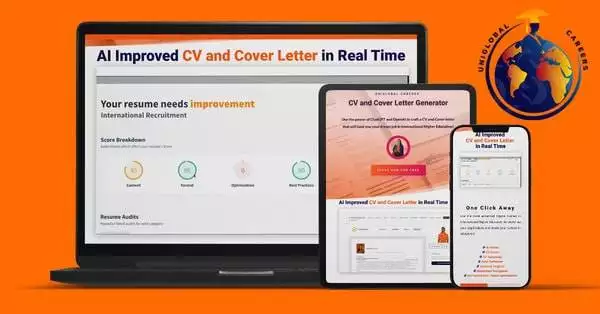
2. Tailor your CV and Cover Letter
- Align your CV with the role requirements, emphasising relevant experience in higher education administration and transferable skills.
- Use keywords such as “international higher education,” “university administration,” “project management,” and “stakeholder engagement.”
- Provide concrete examples of your achievements and track record in similar roles.
3. Gain UK or International Education Experience
- If possible, secure roles or volunteering opportunities that expose you to the UK or international academic environment.
- Participate in global exchange programmes, international research projects, or professional associations related to higher education.
4. Build a Professional Network
- Attend UK higher education conferences, workshops, and webinars focused on university administration and internationalisation.
- Join associations such as the Association of University Administrators (AUA) and actively engage in their events and forums.
- Connect with current university administrators via career platforms and social media to gain insights and referrals.
5. Showcase Strategic and Operational Expertise
- Highlight your experience with policy development, quality assurance, and strategic planning in higher education.
- Demonstrate your ability to manage budgets, oversee institutional risk, and implement innovative solutions.
6. Prepare for Competency-Based Interviews
- UK universities often use competency-based interview formats to assess candidates. Practice using the STAR method (Situation, Task, Action, Result) to answer questions.
- Prepare examples that show your management experience,ability to lead cultural change,and commitment to diversity and inclusion.
7.Stay Informed about Immigration and Legal Requirements
- If you are not a UK citizen, research visa and work permit requirements.UK universities often sponsor skilled professionals under the Skilled Worker Visa route.
- Stay aware of changes in legislation affecting international higher education recruitment and compliance.
8. Take Advantage of Professional Development Opportunities
- Invest in continuous learning through certifications, short courses, and training related to education management, leadership, or international student recruitment.
- Stay ahead with digital skills and data analytics relevant to university administration.
The Application Process: What to Expect
- Job Search: Use university websites, specialised job boards, and professional networks to identify senior administration vacancies.
- Application: Submit a tailored CV and cover letter. Some roles require responses to specific “person specification” criteria.
- Assessment: Shortlisted candidates may undergo online assessments or written tests.
- Interview: Panel interviews (often with scenario-based questions) are standard; be prepared to present case studies or give short presentations.
- References and Background Checks: Triumphant candidates go through thorough background verification and references.
Benefits of Working as a Senior Administrator in UK Higher Education
- Attractive Remuneration: Competitive salaries, generous pension schemes, and excellent annual leave entitlements.
- Work-Life Balance: many UK universities offer flexible working arrangements and support for professional wellbeing.
- Diversity and Inclusion: Opportunity to work in a sector that values equality,diversity,and the internationalisation of education.
- Career Progression: Access to leadership programmes, secondments, and opportunities for advancement both within and beyond the institution.
Common Challenges and How to Overcome Them
- Competition: Senior roles attract high-calibre applicants—stand out by emphasising unique international experience and strategic leadership.
- Complexity of UK Education System: Engage in sector training and consult regulatory bodies to keep your knowledge current.
- Adapting to UK Workplace Culture: Familiarise yourself with British business etiquette,communication styles,and expectations regarding inclusivity.
- Visa Issues: Proactively engage with the university HR office and seek legal advice where necessary to navigate visa sponsorship requirements.
Essential Resources for Aspiring International Higher Education Administrators
- sector Publications: Read journals, policy briefings, and sector magazines to stay up to date.
- Professional Memberships: Join professional bodies and academic alliances related to university administration and global education.
- Training & Continuous Professional Development (CPD): Utilise online courses and workshops focusing on university management, diversity, data compliance, and more.
Conclusion: Start Your Journey as a Higher Education Leader
Pursuing a senior administrator role at UK universities is both ambitious and immensely fulfilling for international higher education professionals. With strategic preparation, strong sector knowledge, and a commitment to lifelong learning, you can secure a respected position where your leadership can make a difference on a global scale. Take the next step—refine your application, expand your network, and transform your passion for international education into a thriving career in one of the world’s most dynamic university environments.
Your expertise and multicultural outlook are in high demand, so seize this opportunity to contribute to the future of international higher education in the UK.